panta rhei kai ouden menei 'mayam' Flickr
Panta Rhei Kai Uden Menei YouTube

Panta rhei (Grieks: πάντα ῥεῖ) is een filosofische uitspraak en gedachte die wordt toegeschreven aan de presocratische filosoof Heraclitus, en betekent 'alles stroomt'.De filosofie van Heraclitus is slechts gekend via citaten, parafrasen, toespelingen en getuigenissen van latere auteurs, en daarvan is panta rhei een van de bekendste. De vroegste vermeldingen ervan zijn van Plato.
Panta rhei, kai ouden menei Fotograaf

Panta Rhei. September 29, 2016 at 11:10 pm. There is a saying in Ancient Greek, attributed to the philosopher Heraclitus. That phrase, in Greek, is "τὰ πάντα ῥεῖ καὶ οὐδὲν μένει" (ta panta rhei kai ouden menei). It roughly translates to, "everything flows, and nothing stays.". Another saying attributed to.
Panta rhei (kai_ouden_menei) / Twitter

Users are now asking for help: Contextual translation of "panta rhei, panta kineitai, kai ouden menei" into English. Human translations with examples: MyMemory, World's Largest Translation Memory.
Panta rhei, kai ouden menei Fotograaf

Google's service, offered free of charge, instantly translates words, phrases, and web pages between English and over 100 other languages.
Panta Rhei Agimat Sining at Kulturang Pinoy

Heraclitus famously said πάντα ῥεῖ (panta rhei) "all is flux" or "everything flows." Heraclitus did not here use an explicit word for things. He said simply "all flows." ποταμοῖσι τοῖσιν αὐτοῖσιν ἐμβαίνουσιν, ἕτερα καὶ ἕτερα ὕδατα ἐπιρρεῖ. "On those stepping into.
Panta rhei, kai ouden menei Jürgen Doom Fotografie
Heraclitus (/ ˌ h ɛr ə ˈ k l aɪ t ə s /; Greek: Ἡράκλειτος Herákleitos; fl. c. 500 BC) was an ancient Greek pre-Socratic philosopher from the city of Ephesus, which was then part of the Persian Empire.. Little is known of Heraclitus's life. He wrote a single work, only fragments of which have survived. Most of the ancient stories about him are thought to be later fabrications.
Panta rhei kai ouden menei
Panta chōrei kai ouden menei. Instead of "flow" Plato uses chōrei, to change chōros, or ground, and not to "remain", with which menei is cognate. Just previously Plato explained: [25] τὰ ὄντα ἰέναι τε πάντα καὶ μένειν οὐδέν ta onta ienai te panta kai menein ouden "All beings going and remaining not at all"
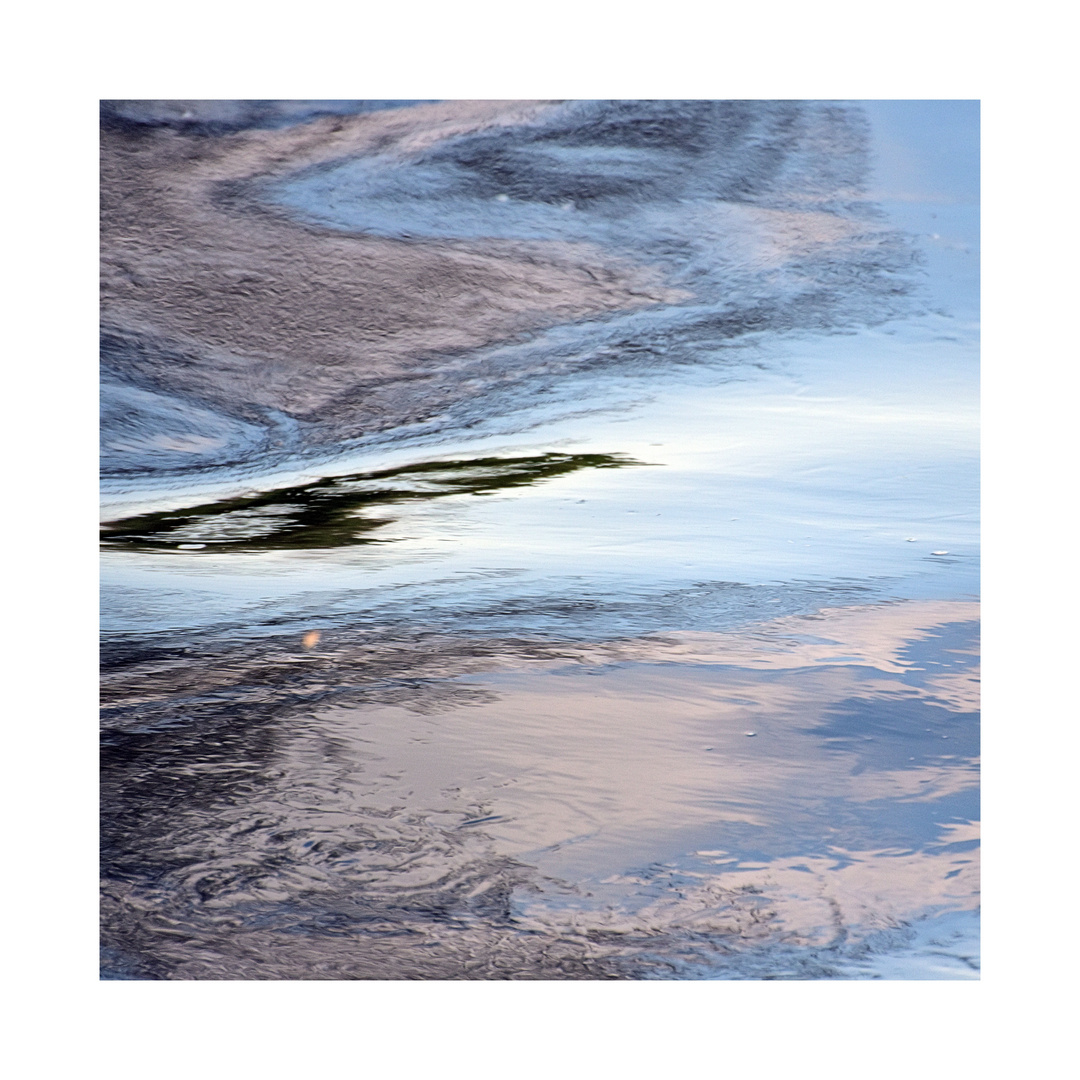
Pánta chorei kaì oudèn ménei (I) Foto & Bild art, spezial, wasser Bilder auf
Ausstellungsplakat der Stadtwerke München Rheinschiff „Panta Rhei n" Πάντα ῥεῖ καὶ οὐδὲν μένει. Panta rhei kai ouden menei. „Alles fließt und nichts bleibt." Diktum, das verkürzt mit panta rhei wiedergegeben wird und auf 3 Äußerungen des Philosophen Heraklit basiert - den sogenannten Flussfragmenten:
Panta rhei, kai ouden menei Jürgen Doom Fotografie

Heraclitus says that all things move and nothing remains still [hoti panta chorei kai ouden menei], and he likens the universe to the current of a river, saying that you cannot step twice in the.
Panta Rhei (All in Flux) ClickTheCity Events

Panta rhei. Héraclite d'Éphèse. « Panta rhei » ( Πάντα ῥεῖ / Pánta rheî) est une formule qui, en grec ancien, signifie littéralement « Toutes les choses coulent » (dans le sens de « Tout passe »). Une autre traduction peut être « tout se meut selon un certain rythme », ce qui évoquerait plus la danse ou la ronde que l.
PANTA RHEI Hier Wie Nebenan Anthologie

Wszystko płynie. Fragment aforyzmu Wszystko płynie i nic nie pozostaje takie samo. Παντα ρει και ουδεν μενει ( Panta rhei kai ouden menei, gr.) Autor: Heraklit z Efezu. Opis: zwrotu użył, by zobrazować założenia swojej koncepcji filozoficznej. W tej popularnej formie zostało przytoczone przez Simpliciusa w.
Panta rhei, kai ouden menei Fotograaf
Origin. In this form, however, the panta rhei is only quoted by Simplicius, a late antique commentator on Aristotle's writings. The connection to Heraclitus is established by Plato, who quotes the sentence in a linguistically different form: Πάντα χωρεῖ καὶ οὐδὲν μένει ("Pánta chorei kaì oudèn ménei", "Everything moves on and nothing remains.").
Pánta chorei kaì oudèn ménei (II) Foto & Bild art, spezial, wasser Bilder auf
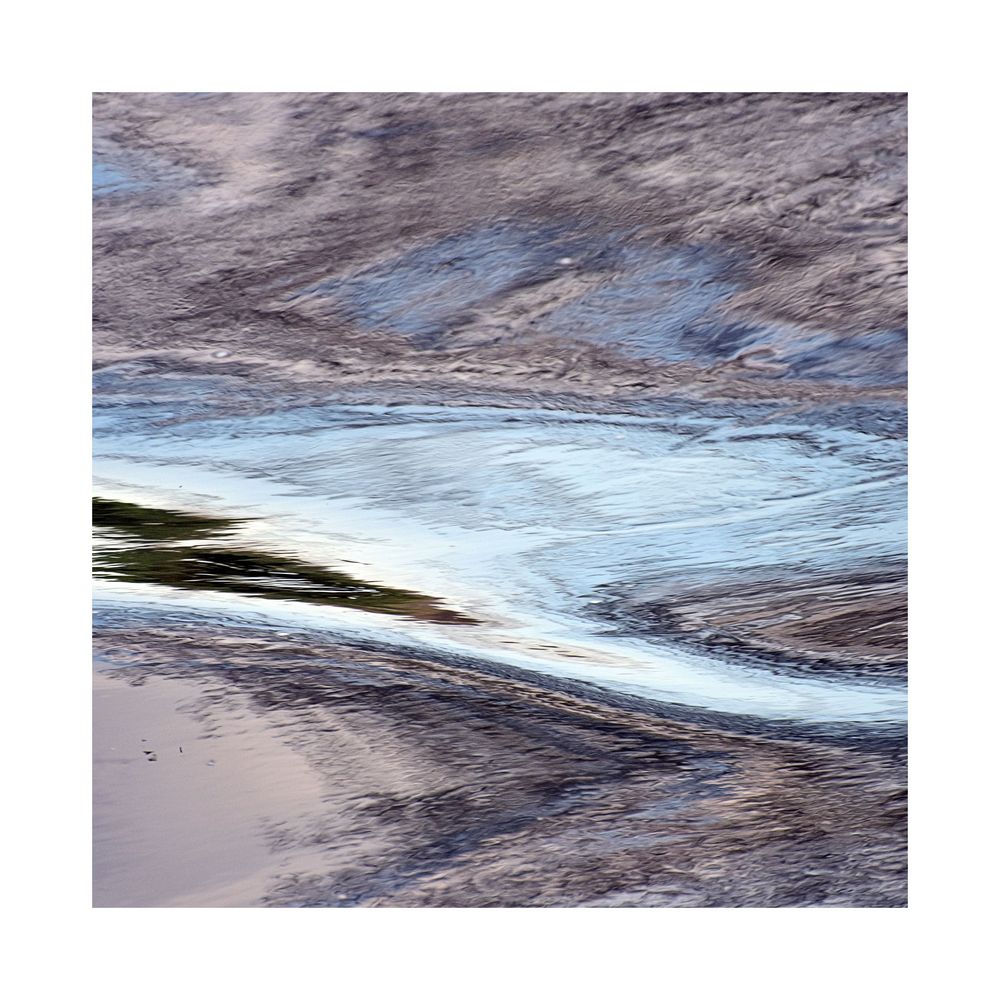
Heraclitus' gedachte dat alles stroomt formuleerde hij met de woorden 'panta rhei' (alles stroomt). Later voegde men er 'kai ouden menei' (en niets blijft) toe, maar dit laatste komt niet van Herakleitos. Hij illustreerde dit door te stellen dat je nooit twee keer in dezelfde rivier kunt stappen, omdat de tweede keer dat je erin stapt, je, door.
"Panta rhei kai ouden menei" Life is short and the world is wide

Die Formel panta rhei (altgriechisch πάντα ῥεῖ ‚alles fließt') ist ein Aphorismus zur Kennzeichnung der heraklitischen Lehre. Sie wird auf den griechischen Philosophen Heraklit zurückgeführt, von Platon (im Dialog Kratylos) nahegelegt, erscheint wörtlich jedoch erstmals bei dem spätantiken Neuplatoniker Simplikios.Bereits in augusteischer Zeit war diese formelhafte.
panta rhei Sandro Vadim
For another side of Oxford philosophy, Heraclitus' famous Panta rhei kai ouden menei is attested as a men's lavatory graffito. Chapter 3 ("The One and the Atom") packs in Parmenides, Empedocles, Anaxagoras, Democritus, and Leucippus. A tall order for 12 pages. The vast specialist literature on all is ignored.
Panta rhei, kai ouden menei Fotograaf

The most famous aphorism of Heraclitus, a philosopher who pre-dated Socrates, was: "Panta rhei kai ouden menei" or "everything flows, nothing stands still". As scientists, we have.
.